


MatthewGuggemos
Systems Conductor. Orchestrating AI, speech science, and rhythm into breakthrough solutions.
MyProjects
"Great conductors may not master every instrument, but they deeply understand each one's role."





Music
Exploring rhythm, harmony, and sound.
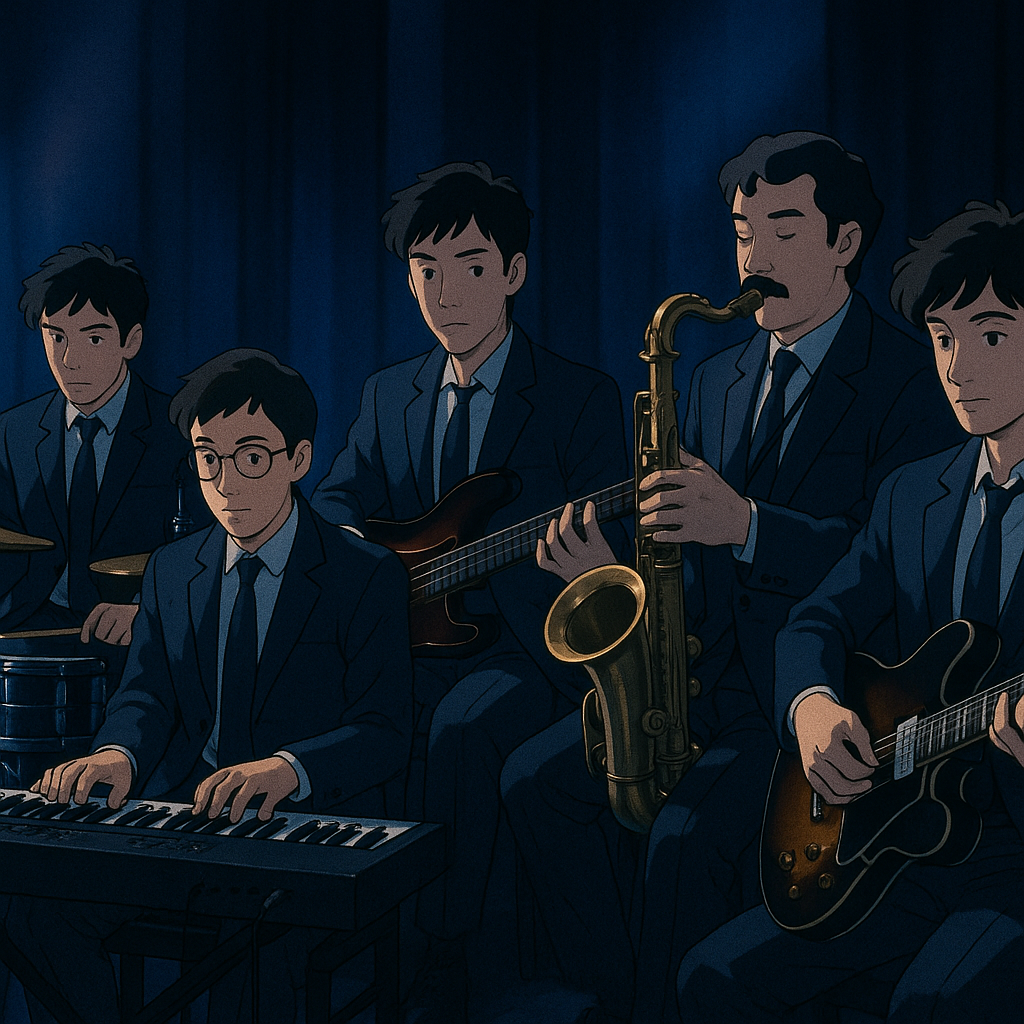


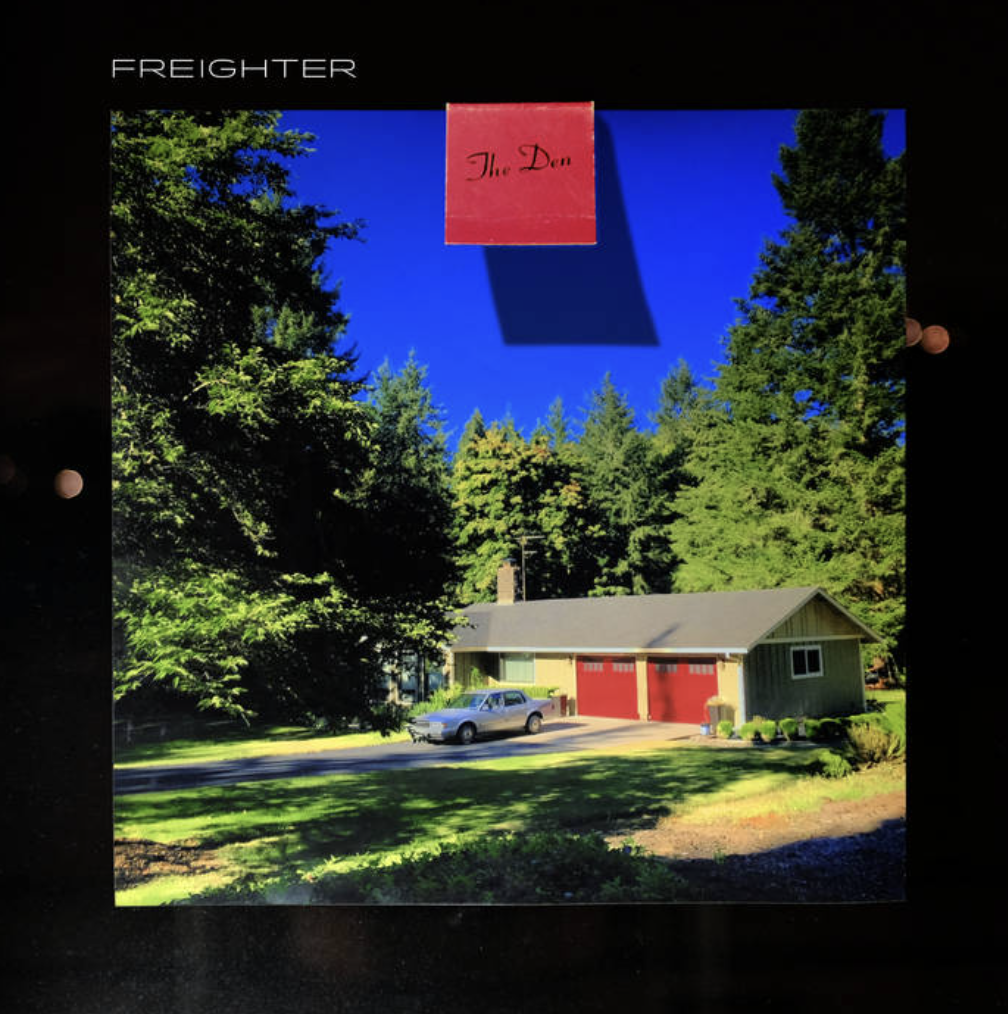
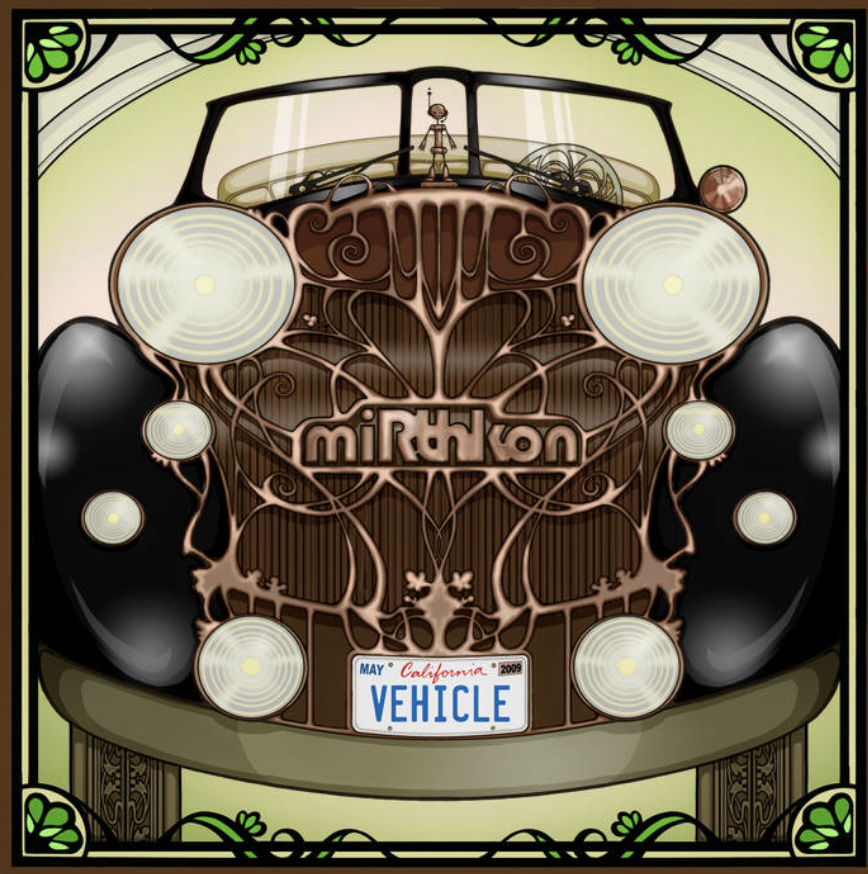
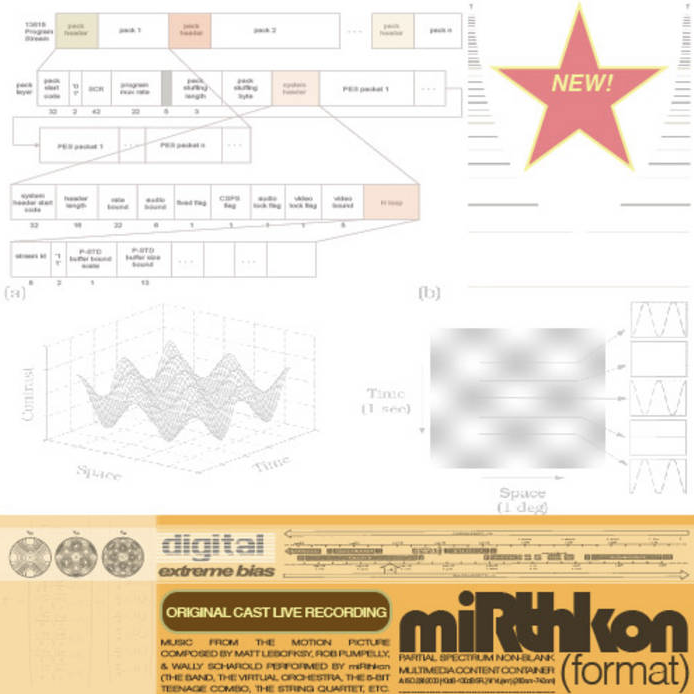
Featured Albums
A selection of releases.

Speaking&Writing

HarmonizedLearning
A symphony of ideas exploring human potential in the age of AI
The Central Question
"What if our greatest intellectual asset in the age of AI is our unique ability to connect different ideas, sparking creativity and innovation on our own terms?"
Five Movements
Ask the Docent
Curious about Moravec's Paradox? Want to understand instrumentive AI? The docent can explain any concept from the presentation.
Key Insight
This presentation explores how humans maintain cognitive advantages through continuous low-cost learning, improvisational skills, and the ability to integrate diverse perspectives. The structure itself demonstrates the concept: organized like a musical score with themes, variations, and movements that build toward a unified vision of human-AI collaboration.
TheConductorApproach
"Great conductors may not master every instrument, but they deeply understand each one's role in the collective whole."
An Intelligence Conductor treats AI technologies as individual instruments: LLMs for language, computer vision for perception, speech recognition for audio, symbolic AI for logic. The skill lies in knowing how they combine through APIs and pipelines to solve novel problems.
Individual Units
OCR, LLMs, wav2vec, generative models, each with unique capabilities.
Collective Systems
Pipelines and APIs connecting units into input-process-output flows.
Novel Solutions
Combining technologies in unexpected ways to solve real problems.
Domain Expertise
Communication sciences, education, and music as application areas.
Conducting Intelligence Through Kintsugi
The future belongs to those who think in systems. Agentive coding tools now let us connect AWS pipelines, chain API calls, and orchestrate AI services - all without building every component from scratch. The question isn't "can you code it?" but "do you understand how it fits together?"
Problem-SolvinginRealTime
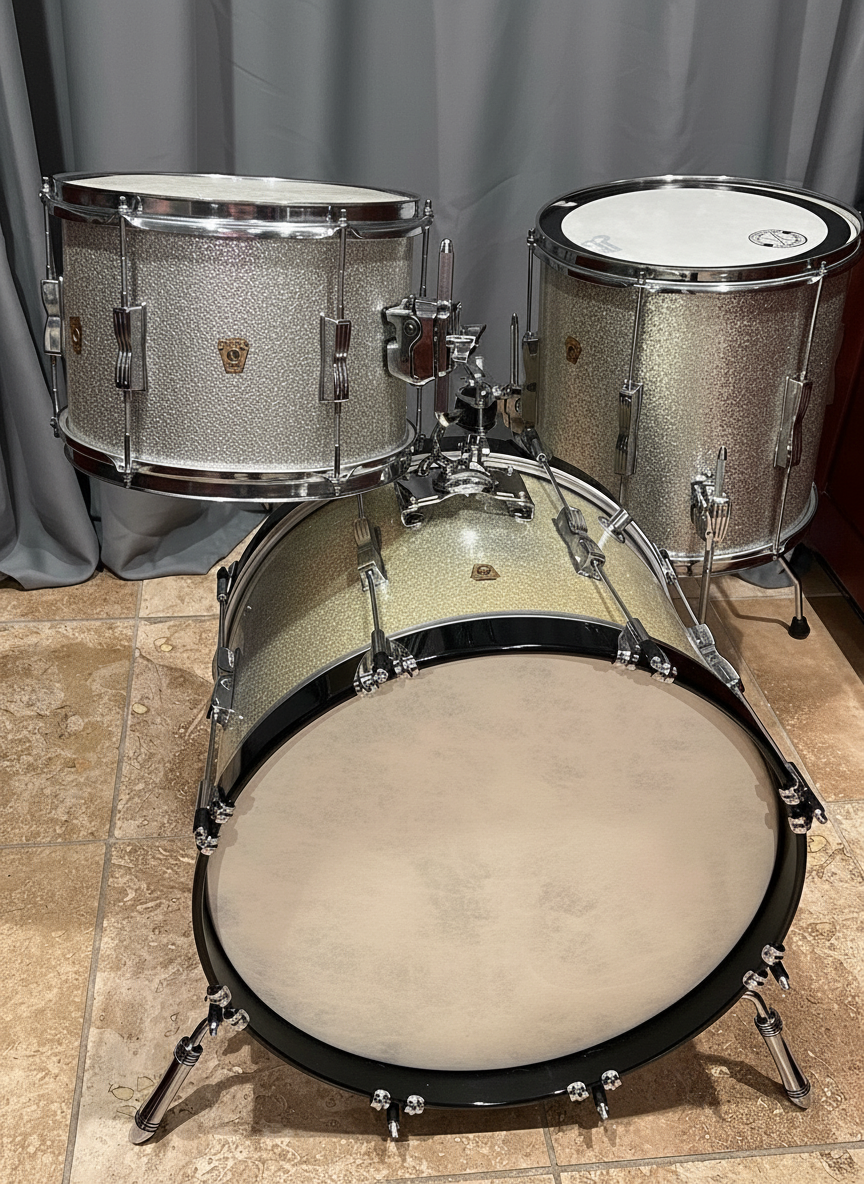
Drumming: Where Coordination Meets Cognition
Mahavishnu-ish Swing
Real-time problem solving in music
Limb Independence
Coordinating four limbs while tracking dozens of variables simultaneously
Context Awareness
In jazz, the ride cymbal leads. In rock, bass and snare punch forward
Pattern Systems
Patterns that repeat, alternate, or cross bar lines to manage complexity
Physical Constraints
Speed ceilings and impossible combinations, like phonemes in speech
Infinite Expression
Finite elements combining within constraints to produce endless variation
Limb Independence
Coordinating four limbs while tracking dozens of variables simultaneously
Context Awareness
In jazz, the ride cymbal leads. In rock, bass and snare punch forward
Pattern Systems
Patterns that repeat, alternate, or cross bar lines to manage complexity
Physical Constraints
Speed ceilings and impossible combinations, like phonemes in speech
Infinite Expression
Finite elements combining within constraints to produce endless variation
WhatSkiingTeachesAboutDecision-Making
Plan Ahead
Read terrain before committing to a line.
Be Brave
Acknowledge fear, then commit anyway.
Stay Balanced
Calibrate constantly between competing risks.
Adapt Quickly
New information demands immediate course correction.
Commit Fully
Hesitation creates more danger than a committed wrong choice.
Skiing exposes you to decisions with real consequences at whatever level of challenge you're willing to accept. At speed, you make split-second choices. Turn the wrong way and you end up in terrain you have to deal with immediately.
The mountain teaches balanced thinking. Too far left risks trees. Too far right risks rocks. Straight down the center builds dangerous speed. The optimal path requires constant calibration between competing risks, and the bravery to commit once you've chosen.
This applies beyond the mountain. In drumming, if you take a chance on an abstract polyrhythm that crosses the bar line, you have to resolve it. In AI system design, if you chain together services in an unconventional pipeline, you have to make the output coherent. Skiing makes this principle physically tangible: commit to a decision, adapt when new information appears, find your way back to balance.
TheLanguageofMovement
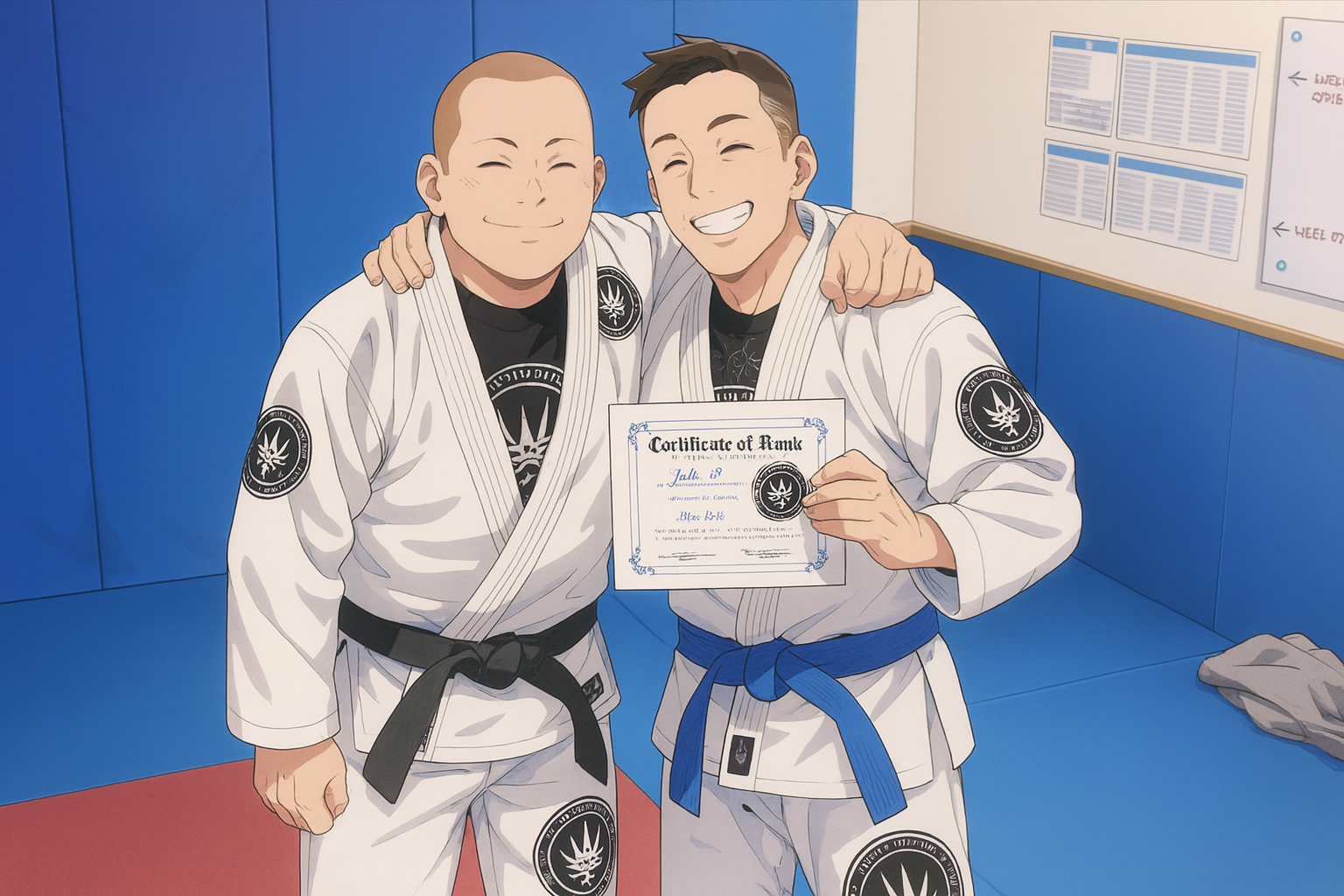
Ten years of study under Ryan Murphy
The Bloom-Lahey Framework Across Domains
Language
Jazz
BJJ
Credentials&Recognition
A glimpse into impactful contributions and distinguished roles.
American Society for AI
Board Member
Mensa Foundation
Board of Trustees
Federal Grant Funding
Millions via NSF, NIH, IES, AFWERX
GetinTouch
Send a message directly through the form below
Your message will be sent securely. I typically respond within 24-48 hours.

Drum Language Docent
Your exhibit guide
Welcome to the exhibit. I'm the Drum Language Docent. There's a lot here: tech, music, the physical practice side. Where do you want to start?